The 5 Key Stages of the B2B Marketing Funnel Explained

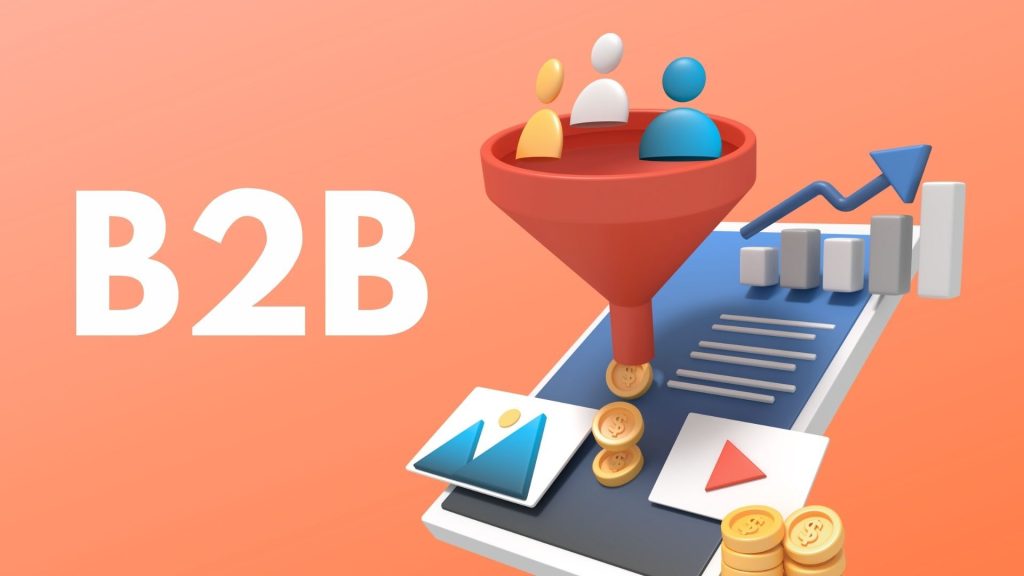
A B2B marketing funnel represents the structured journey that potential customers take from first discovering a brand to making a purchase. It provides a framework to understand how leads move through different stages of engagement and decision-making. For businesses, particularly in the United States, where B2B markets are highly competitive, understanding these stages is crucial for aligning marketing and sales efforts, improving lead quality, and maximizing conversion rates.
This guide explains each stage of the B2B funnel and offers actionable strategies to optimize it for better results.
Key Takeaway:
Understanding the five stages of the B2B marketing funnel, from awareness to post-purchase, is essential for guiding leads effectively through the buyer journey. Optimizing each stage with clear metrics, aligned marketing and sales efforts, and personalized engagement improves conversion rates and revenue predictability.
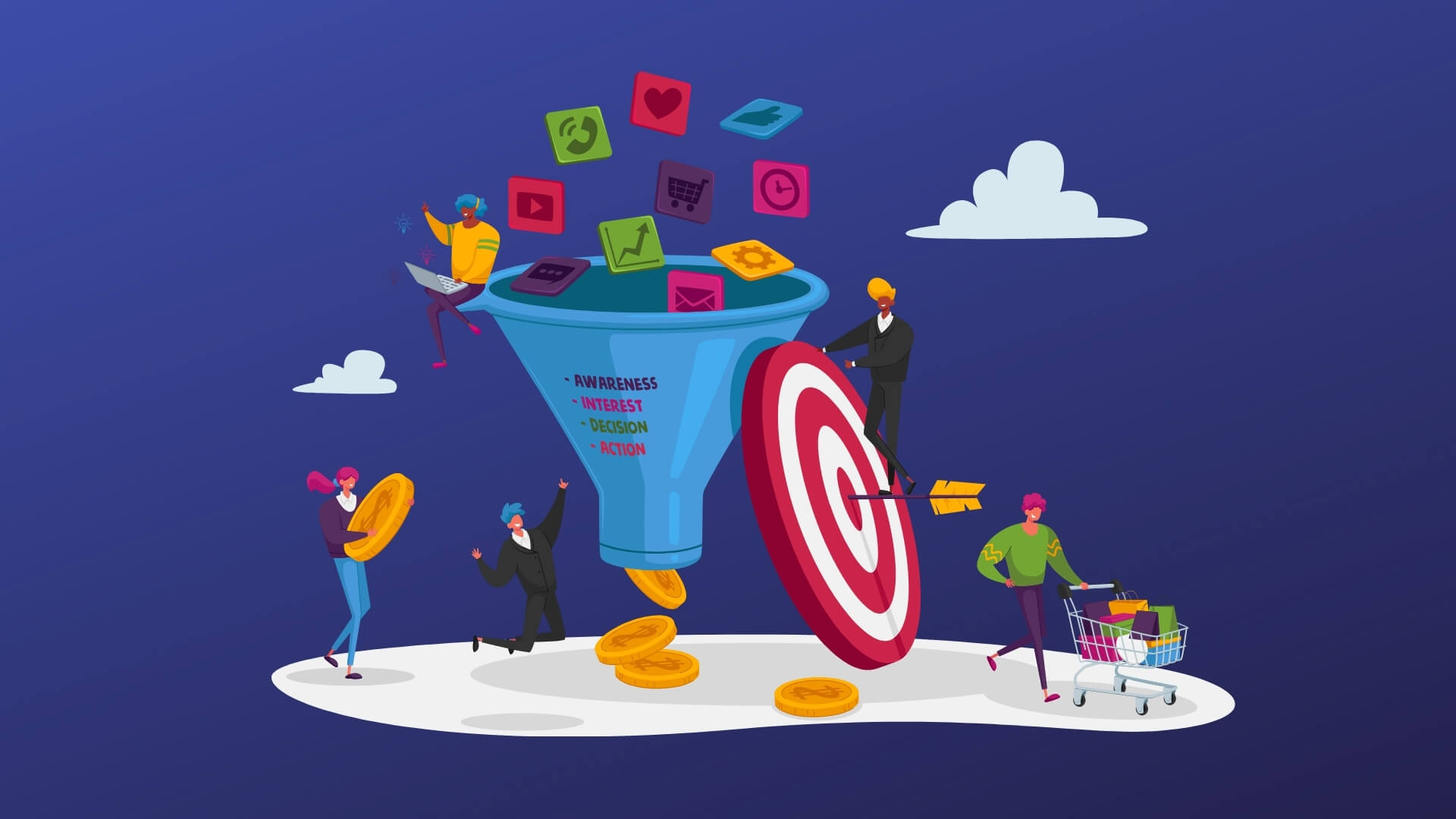
Stage 1: Awareness (Top of Funnel – TOFU)
The awareness stage is where potential customers first encounter your brand. At this point, prospects may be seeking solutions to their challenges but are not yet familiar with your products or services. The goal of this stage is to attract a broad audience of qualified leads.
Common tactics include blog posts, social media campaigns, search engine optimization (SEO), paid advertising, webinars, and industry events. Partnering with a skilled B2B digital marketing agency can help create educational content that highlights your brand’s expertise, establishing trust early and making it easier to nurture prospects through the rest of the funnel.
Stage 2: Interest (Middle of Funnel – MOFU)
Once prospects are aware of your brand, they move into the interest stage. Here, they actively explore solutions to their problems and evaluate whether your offerings could meet their needs.
The primary objective is to nurture leads by providing relevant, value-driven content that addresses their specific pain points. Effective tactics include email campaigns, downloadable resources such as case studies or white papers, and targeted content marketing. At this stage, businesses should also begin qualifying leads based on engagement and potential fit.
Stage 3: Evaluation (Middle/Bottom Funnel)
During the evaluation stage, prospects compare your product or service against competitors. They assess value, pricing, features, and potential ROI. For B2B buyers, this phase often involves multiple stakeholders, making it essential for marketing and sales teams to provide clear, credible information.
Tactics that work well include product demos, live webinars, detailed proposals, and customer testimonials. Personalized communication and transparency about pricing or implementation timelines can significantly influence the decision-making process.
Stage 4: Decision (Bottom of Funnel – BOFU)
The decision stage is when leads are ready to make a purchase. The goal for businesses is to simplify the buying process and remove any remaining friction.
Effective tactics include consultations, free trials, transparent pricing pages, and onboarding previews. Providing a seamless experience and responsive support at this stage can be the difference between closing the sale and losing the lead to a competitor.
Stage 5: Post-Purchase and Retention
The funnel doesn’t end with a purchase. The post-purchase stage focuses on customer satisfaction, loyalty, and long-term relationship building. Retaining existing customers is often more cost-effective than acquiring new ones, especially in the U.S. B2B market, where contracts and recurring revenue play a significant role.
Strategies for retention include structured onboarding, proactive customer support, follow-up communications, and access to exclusive resources. Businesses can also leverage this stage to encourage referrals, upsells, and contract renewals.
Tips for Optimizing Each Funnel Stage
To maximize the effectiveness of your B2B marketing funnel, businesses should:
- Define clear metrics: Track KPIs like conversion rates, lead velocity, and engagement at every stage.
- Align marketing and sales: Establish shared definitions of MQLs and SQLs and set clear SLAs for lead handoff and follow-up.
- Leverage automation: Use CRM and marketing automation tools to nurture leads, prioritize follow-ups, and personalize messaging.
- Continuously test and iterate: Conduct A/B testing on content, email campaigns, and landing pages to optimize results over time.
Conclusion
Understanding the five stages of the B2B marketing funnel, awareness, interest, evaluation, decision, and post-purchase, is essential for creating a structured and predictable lead-to-customer journey.
By tailoring strategies for each stage, measuring performance, and fostering collaboration between marketing and sales teams, businesses can increase conversion rates and drive sustained growth. Start auditing your funnel today to identify gaps, refine processes, and deliver a better experience for every prospect.