B2B Manufacturing Marketing Trends in 2026: What You Need to Know
Marketing teams that once supported sales with brochures and trade shows are now being tasked with delivering dynamic digital experiences, deeper personalization, and measurable revenue impact.
As digital transformation accelerates, successful manufacturers are redefining how they attract, engage, and convert buyers, moving from traditional sales-led models to integrated, data-driven marketing approaches that support complex buying journeys.
This article explains the major marketing trends shaping the B2B manufacturing sector in 2026 and why adapting to them is critical for growth. The manufacturing buyer is increasingly digital and self-directed, with a large share making purchase decisions before ever contacting a sales rep.
Key Takeaways:
In 2026, B2B manufacturing marketing is defined by AI-driven targeting, first-party data, and immersive digital experiences that support self-directed buyers. Interactive product tools and modern web experiences help build trust, accelerate evaluation, and connect marketing efforts more directly to revenue. Manufacturers that align personalization, ABM, and transparent messaging will be best positioned for long-term growth.
AI and Data Intelligence Becoming Standard in Manufacturing Marketing
A defining trend for 2026 is the shift from experimental to essential use of artificial intelligence (AI) and predictive analytics in manufacturing and marketing. AI tools are no longer isolated experiments but integral to account targeting, segmentation, and outreach personalization.
By blending firmographic, technographic, and buyer intent data, AI now powers “intelligence ecosystems” that help identify in-market buyers well before they engage with your company directly.
This enhanced visibility enables more relevant campaigns, smarter sales conversations, and tighter alignment between marketing and revenue teams.
Manufacturers are also investing in first-party data infrastructure to adapt to tightening privacy standards and declining reliability of third-party cookies.
First-party data sources such as configurators, ROI tools, and engagement signals increasingly fuel personalization across long B2B sales cycles. At the same time, CRM systems are being overhauled to support cleaner, more actionable identity resolution and segmentation.
Immersive Product Experiences and Digital Configuration Tools
In 2026, product complexity demands richer digital experiences that go far beyond static brochures and datasheets. Technically sophisticated buyers increasingly expect interactive tools such as 3D product configurators, digital twins, and augmented reality (AR) guided tours that allow you to explore options, validate compatibility, and generate accurate specifications without immediate reliance on sales engineers.
These immersive experiences build confidence, accelerate evaluation, and reduce early-stage friction, making the website a critical part of the buying process.
At Ready Artwork, we offer web design for manufacturers that supports these advanced experiences, helping you translate complex products into intuitive, high-performing digital interfaces that educate buyers and move them closer to purchase.
Content Marketing Shifts Toward Dynamic Knowledge Ecosystems
Manufacturing content in 2026 is evolving beyond static formats toward dynamic knowledge hubs. Buyers, especially engineers and procurement professionals, expect searchable, modular, and interactive content that helps them find precise information quickly.
This includes searchable knowledge bases, modular content blocks adaptable to various scenarios, interactive diagrams, and AI-assisted manuals for troubleshooting or training.
SEO strategies are also becoming more sophisticated, prioritizing semantic search, expert-driven narratives, and structured data that makes complex manufacturing subjects more discoverable and credible.
Dynamic knowledge ecosystems not only improve user experience but also provide richer engagement signals that feed back into marketing analytics, helping teams refine content performance and buyer behavior insights over time.
Account-Based Marketing and Revenue-Focused Strategies
Account-Based Marketing (ABM) continues to mature in the manufacturing sector. ABM will no longer be a tactical set of campaigns but a revenue operating model that integrates marketing, sales, operations, and channel partners around shared growth objectives.
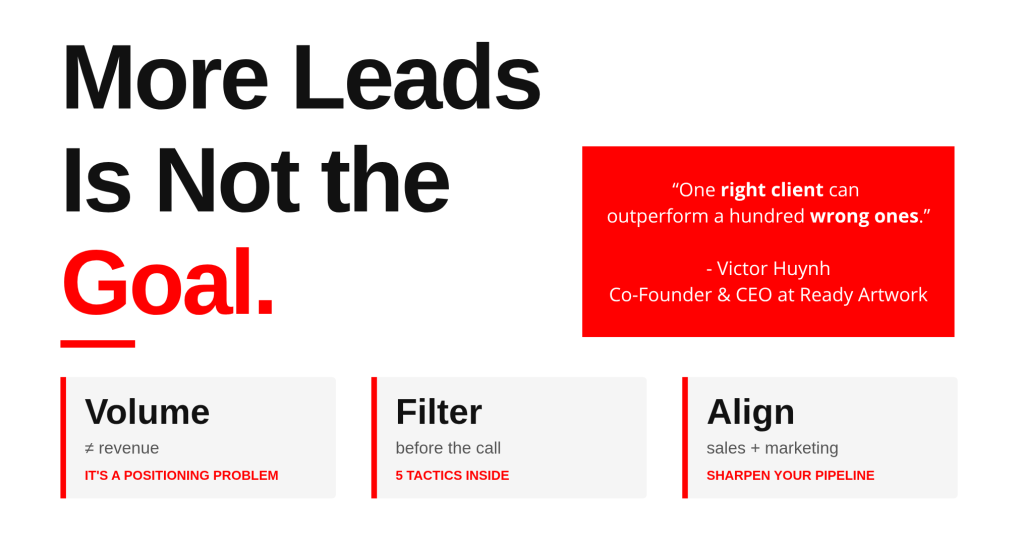
Metrics are shifting away from traditional lead counts toward measures such as revenue velocity, customer lifetime value, and influence across the buying journey.
Manufacturers using this integrated approach gain better visibility into how campaigns impact pipeline progression and revenue outcomes, breaking down silos between departments and improving strategic coordination.

Modern Website Design as a Competitive Differentiator
Manufacturing websites must now deliver consumer-grade digital experiences to meet buyer expectations. This includes intuitive navigation, AI-powered chat for spec lookup or troubleshooting, guided selling paths that lead buyers through self-service research, and mobile-friendly interfaces that cater to field technicians and distributed users.
Self-service portals for pricing, availability, parts ordering, and support are also becoming table stakes. Manufacturers that fail to modernize risk losing buyers quickly, as B2B buyers increasingly abandon slow or confusing sites in favor of competitors that offer streamlined, interactive digital experiences.
Video, Partner Enablement, and Multichannel Interaction
Video content continues to grow in importance, particularly for technical education, product walkthroughs, and virtual demos that replace costly on-site demonstrations.
Manufacturers are also enhancing partner ecosystems by enabling dealers and distributors with co-brandable content, automated customization, and regional dashboards that support local demand generation.
Multichannel engagement, spanning email, social, webinars, and live events, remains crucial, with consistent messaging essential across all touchpoints to build trust and maintain brand presence.
Transparency, Sustainability, and Brand Messaging
B2B buyers in 2026 expect far more than just product specifications or technical capabilities; they demand full transparency and demonstrable accountability from the manufacturers they partner with.
Core brand messaging is increasingly focused on supply chain traceability, regulatory compliance, carbon footprint reporting, ethical sourcing, and adherence to industry standards, all backed by verifiable, measurable evidence rather than vague or generic claims.
Sustainability has shifted from being a peripheral marketing talking point to a key differentiator that can influence purchase decisions, foster long-term loyalty, and build trust at every level of the buying journey.
Companies demonstrating leadership in environmental, social, and governance (ESG) initiatives are more likely to win contracts, especially as buyers increasingly weigh supplier performance against social and environmental impact.
Clear and consistent messaging around sustainability can reinforce corporate reputation, improve stakeholder confidence, and create opportunities for differentiation in competitive markets.
Conclusion: Positioning for Growth in 2026 and Beyond
The landscape of B2B manufacturing marketing in 2026 is defined by data-driven personalization, immersive digital experiences, and revenue-aligned strategies that mirror modern buyer expectations.
Marketing teams that invest in AI, first-party data, interactive product discovery, and cohesive account-level engagement will be better positioned to compete in a market where buyers prefer self-service, transparency, and tailored experiences.
As the industry evolves, manufacturing marketing will increasingly resemble digital-first, consumer-informed models, adapting not just an advantage but a necessity for growth.