How to Use Storytelling in B2B Content Marketing

B2B marketing is often associated with technical specifications and feature comparisons. Yet business buyers respond to clarity, emotion, and proof of results.
Storytelling translates complex solutions into relatable journeys that demonstrate return on investment, and research shows that narrative content improves comprehension and retention.
Companies that use storytelling in long-form content often see deeper scroll depth and stronger engagement. Groove reported higher engagement on posts that shared transparent business journeys rather than promotional material.
This article explains how structured storytelling strengthens credibility and drives measurable B2B results.
Key Takeaways:
Storytelling helps B2B marketers translate complex solutions into clear, relatable narratives that improve comprehension, trust, and engagement. When grounded in audience research, structured narrative arcs, and measurable outcomes, storytelling supports lead generation and revenue-focused decision-making.
Understand Your Audience
Effective B2B storytelling begins with a deep understanding of the target audience. This involves developing detailed buyer personas that outline professional responsibilities, decision-making authority, and measurable goals.
A CTO may prioritize system integration and security, while a CMO may focus on brand visibility and lead generation. Each audience segment has distinct pain points, such as inefficient CRM systems, fragmented analytics, or scaling challenges.
Connecting these personas to key stages in the B2B marketing funnel can help ensure stories resonate with buyers at the right point in their journey.
Audience research should rely on structured surveys, stakeholder interviews, and analysis of CRM data rather than assumptions. Behavioral insights from marketing automation platforms can reveal content preferences and buying stage triggers.
Clear persona mapping ensures that stories address real operational challenges instead of abstract benefits. When messaging aligns with documented needs, narratives become more persuasive and relevant.
Craft Narrative Arcs
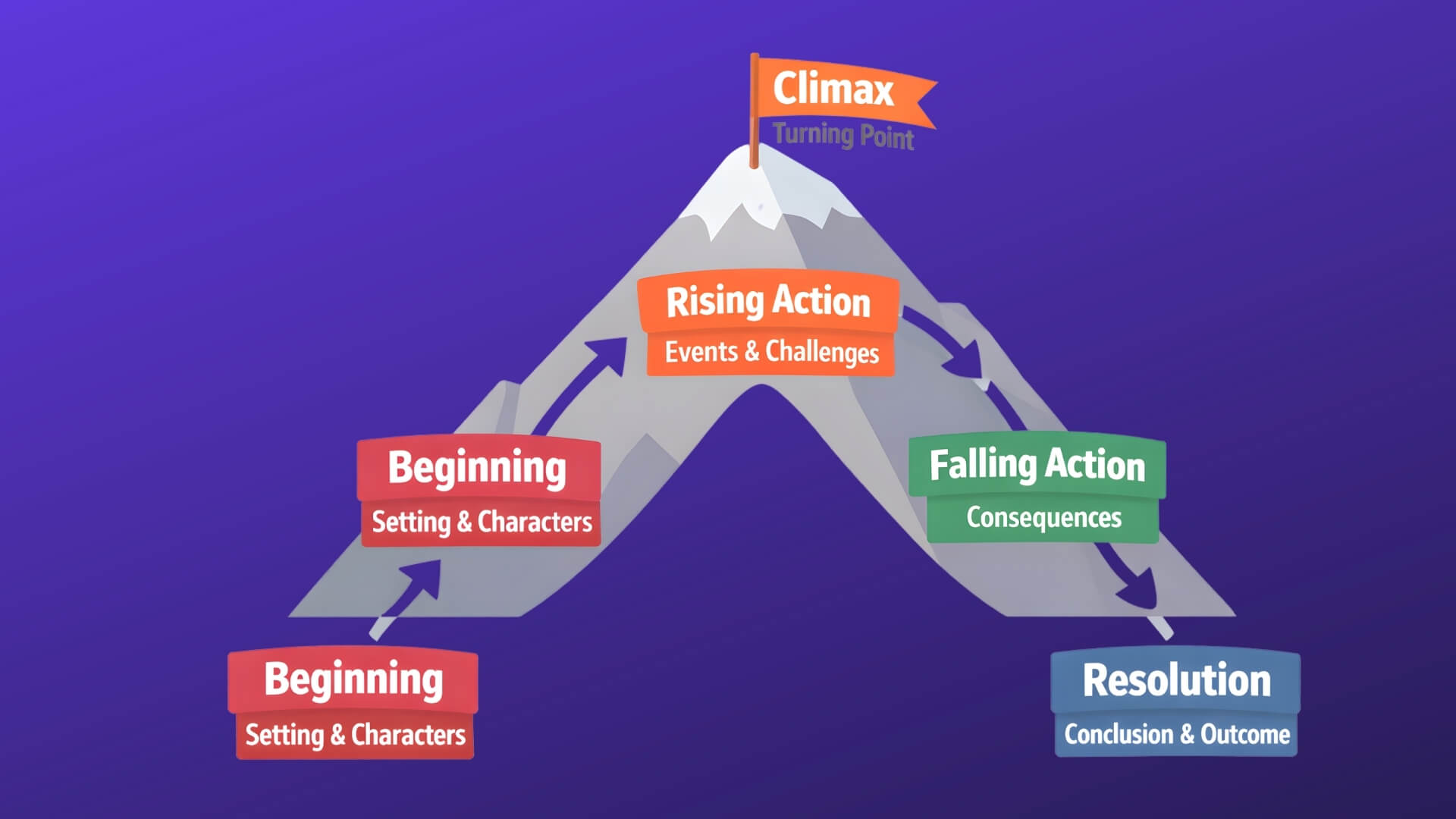
Strong B2B stories follow a clear narrative structure that guides readers from challenge to resolution. A common framework mirrors the hero’s journey in which the customer faces a problem, receives guidance, and achieves measurable improvement.
In B2B contexts, the client organization is the hero, while the brand serves as the mentor, providing tools and expertise. Research from the Nielsen Norman Group indicates that narrative structures improve comprehension and information retention, reinforcing the strategic value of this format.
Credibility depends on grounding the story in verifiable data. Metrics such as cost reduction percentages, efficiency gains, or revenue growth add substance and prevent exaggeration.
Emotional context, such as tight deadlines or operational bottlenecks, makes the situation relatable while remaining professional. A well-structured arc ensures clarity and avoids turning the story into a generic testimonial.
Leverage Customer Success Stories
Customer success stories are among the most effective storytelling tools in B2B marketing. Unlike promotional copy, case studies demonstrate real-world value. For instance, a headline such as “How Client X Reduced Operating Costs by 40 Percent” immediately communicates relevance and impact.
Specific before-and-after comparisons strengthen trust and reduce skepticism, and integrating customer testimonials for B2B sales can further reinforce credibility and influence purchasing decisions.
Multimedia formats enhance the credibility of success stories. Video interviews allow decision makers to speak in their own words, reinforcing authenticity.
Pull quotes and data visuals help readers quickly identify outcomes. When structured clearly, success stories serve as evidence-based narratives that support purchasing decisions later in the funnel.
Innovation and Origin Stories
Origin stories explain why a company exists and how it evolved to address industry problems. These narratives are particularly effective for positioning a brand as an innovative or resilient leader in a crowded market. Sharing early challenges such as funding constraints, product failures, or market resistance can build transparency and trust with prospective clients.
Describing how the organization adapted to setbacks also demonstrates strategic decision-making and long-term commitment.
In competitive B2B sectors, authenticity differentiates brands that might otherwise appear similar in terms of features and pricing.
Innovation stories also highlight thought leadership by connecting product development to broader industry shifts. Explaining how a solution was created in response to regulatory changes, customer feedback, or emerging technologies provides educational value for readers.
This approach shifts the focus from self-promotion to actionable industry insight that decision makers can apply in their own organizations.
Including concrete examples of problem-solving reinforces credibility and depth of expertise. When presented objectively, origin and innovation stories demonstrate authority while maintaining professional integrity.
Content Formats for B2B Stories
Storytelling can be integrated across multiple content formats without sacrificing professionalism. Blog articles allow for detailed journey narratives supported by charts and statistics that clarify performance outcomes and highlight the hidden value of digital marketing and SEO in the B2B space. Video content, such as client interviews or behind-the-scenes discussions, adds human context and visual credibility.
Email sequences can present serialized stories that unfold across several touchpoints, encouraging consistent engagement and nurturing prospects over time. When aligned with strategic objectives, each format reinforces the same core narrative from a different angle and strengthens the overall marketing strategy.
On professional platforms like LinkedIn, personal anecdotes from executives or founders can humanize a brand while maintaining authority. White papers can incorporate mini case studies to illustrate broader industry trends using supporting data and demonstrate how digital marketing and SEO strategies drive measurable B2B results. Diversifying formats ensures that storytelling aligns with different stages of the buyer journey, from awareness to decision. Consistency in tone, structure, and factual accuracy maintains alignment across channels and strengthens brand credibility.
Examples of B2B Storytelling
Several companies demonstrate measurable impact through storytelling. Groove shared transparent blog posts about its growth challenges, including detailed revenue updates and lessons learned. These posts reportedly generated significantly higher engagement and increased subscriber signups compared to traditional promotional content. The emphasis on candid narrative rather than polished advertising strengthened audience trust.
Another example is MDM Mixology, which used creative storytelling to position its brand within the data marketing sector. By framing campaigns around real-world marketing transformation stories, the company differentiated itself from competitors that focused solely on technical features. These examples illustrate how narrative combined with evidence can increase scroll depth, sharing behavior, and lead generation.
Measure and Optimize Storytelling Performance
Storytelling must be evaluated using objective metrics to ensure strategic value. Key indicators include time on page, scroll depth, social shares, and click-through rates. Conversion metrics such as demo requests or form submissions linked to story-based calls to action provide direct insight into revenue impact. Marketing analytics platforms can segment performance by persona and funnel stage.
A/B testing helps determine whether narrative formats outperform traditional list-based content. For example, comparing a case study-driven landing page to a feature-focused alternative can reveal differences in engagement. Data-driven optimization ensures that storytelling remains aligned with measurable business goals. Continuous analysis supports refinement and scalability.
Conclusion
Storytelling transforms B2B marketing from purely transactional messaging into structured narratives that clarify value and build trust. By grounding stories in research, measurable outcomes, and audience insight, marketers can maintain credibility while improving engagement.
Organizations that combine persona-driven strategy with performance tracking are more likely to generate qualified leads. With thoughtful execution and ongoing measurement, storytelling becomes a practical tool for sustainable growth rather than a creative add-on.