How Do You Win Mindshare in B2B Marketing and Why It Matters
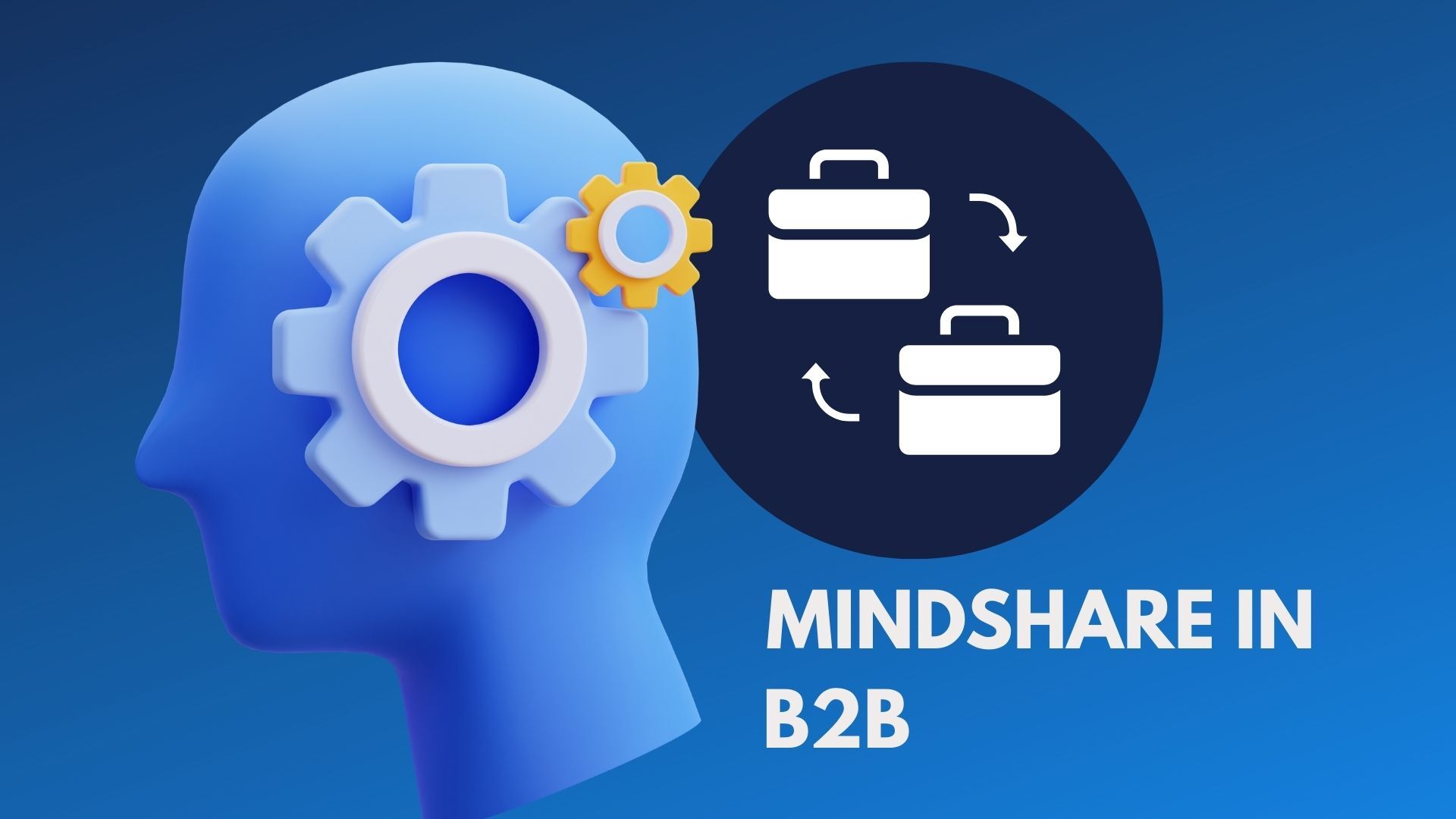
Mindshare in B2B marketing refers to the amount of attention, memory, and mental priority a brand holds in the minds of its target buyers compared to competitors. In practice, it determines which brands buyers recall first when a purchasing need finally emerges.
This article explains how winning mindshare works in B2B marketing and why it has become a decisive factor in long-term growth, especially in crowded categories where many products appear similar on paper. In these environments, buyers rarely choose purely on specifications. They tend to favor brands they recognize, trust, and feel confident recommending internally.
Key Takeaways:
Winning mindshare in B2B marketing means becoming top-of-mind for buyers long before they enter a purchasing cycle. Brands that are consistently visible, clearly positioned, and emotionally memorable are more likely to be recalled and trusted when decisions are made. In crowded markets, sustained mindshare ultimately determines which brands are considered, recommended, and chosen.
What Is Mindshare in B2B Marketing
Mindshare is best understood as a combination of awareness, recall, and preference. It reflects whether a brand appears on the mental shortlist buyers use when evaluating options. While many B2B brands achieve basic awareness, far fewer are actively remembered at the moment of decision.
This principle goes beyond name recognition. It encompasses emotional associations, perceived credibility, and clarity about what a brand represents. A brand with strong mindshare is not only known but also quickly associated with specific problems or outcomes buyers care about.
Why Is It Important?
B2B buying journeys are typically long, infrequent, and involve multiple stakeholders. Research in buyer behavior shows that decision-makers often narrow their options early and rarely revisit the entire market, which makes mental availability critical. Brands that are already familiar and trusted are far more likely to be included in early consideration sets.
As competition increases and products converge in features, mindshare becomes a key differentiator. It allows brands to capture disproportionate demand simply by being remembered when the need arises.
Building this level of consistency and visibility is exactly what we focus on at Ready Artwork. We partner with B2B and public-sector organizations to turn their websites and digital channels into stronger brand touchpoints that boost recognition and keep them top of mind with buyers.
Best Strategies to Win Mindshare
Winning mindshare requires consistent exposure across the entire category, not just active buyers. Here are some strategies to ace this B2B principle:
Clarifying Positioning and Ownable Ideas
Strong mindshare begins with clear positioning. Brands must define what they want to be remembered for and which problems they want to be associated with in the buyer’s mind. This usually involves selecting one to three core ideas that align with buyer needs and category entry points.
Repeatedly linking the brand to these ideas helps buyers form durable mental associations. Generic claims about innovation or quality are less effective than specific, consistent messages tied to real business challenges.
Creating Memorable and Emotionally Resonant Creative
Creative execution plays a major role in whether messages are remembered. Distinctive visuals, storytelling, and human-centered narratives increase recall and differentiation. Studies in advertising effectiveness consistently show that emotionally engaging content improves memory encoding, even in rational decision contexts like B2B.

Video and narrative formats are particularly effective because they combine visual, verbal, and emotional cues. Over time, distinctive creative assets help buyers recognize and remember a brand more easily.
Maintaining Consistent Presence Across Key Channels
Mindshare grows through regular visibility in the channels buyers already use. For many B2B audiences, this includes LinkedIn, industry newsletters, podcasts, events, and trusted review platforms. The goal is not maximum reach everywhere but consistent presence in the environments that shape discovery and consideration. Repeated exposure in relevant contexts strengthens familiarity and reinforces brand associations, making recall more likely when a buying situation emerges.
Content Strategies That Build Mindshare
Content that builds mindshare focuses on education and perspective rather than immediate conversion. Thought leadership, category insights, and practical guidance help position a brand as a credible authority. When brands consistently show up with useful information, they earn trust and attention over time. This type of content supports memory by associating the brand with clarity and expertise, rather than short-term promotional messaging.
Leveraging Advocates, Experts, and Communities
Mindshare compounds when others talk about a brand. Mentions by customers, partners, industry experts, and community members extend reach and credibility beyond owned channels. Participation in professional communities and collaborations with trusted voices increases the share of conversation. This external validation reinforces mental availability because buyers tend to remember brands that are frequently referenced by peers they respect.
Aligning Demand Generation and ABM With Mindshare Goals
Demand generation and account-based marketing can support mindshare when they prioritize perception as well as performance. Warming accounts with brand and problem-focused messaging before direct sales engagement increases familiarity and trust. Campaigns designed to shape understanding and recognition make later activation more effective. When buyers already recognize a brand, they are more receptive to sales outreach and product information.
How to Measure B2B Mindshare?
Mindshare cannot be measured through a single metric, but several indicators provide useful signals. Growth in branded search, increases in direct traffic, and share of voice on key channels reflect rising awareness and recall. Surveys measuring unaided recall and brand associations offer additional insight.
Tracking visibility across search results, social feeds, review platforms, and AI-generated answers helps marketers understand where their brand appears in the buyer journey.
Conclusion
Winning mindshare in B2B marketing means earning a place in the buyer’s memory long before a purchase decision is made. If buyers do not think of a brand, they cannot choose it, regardless of product quality. By focusing on clear positioning, consistent messaging, emotionally resonant creative, and sustained presence, brands can build durable mental availability. Over time, this approach turns mindshare into market share by ensuring the brand is the default choice when the buying moment finally arrives.